

 Bahasa inggris
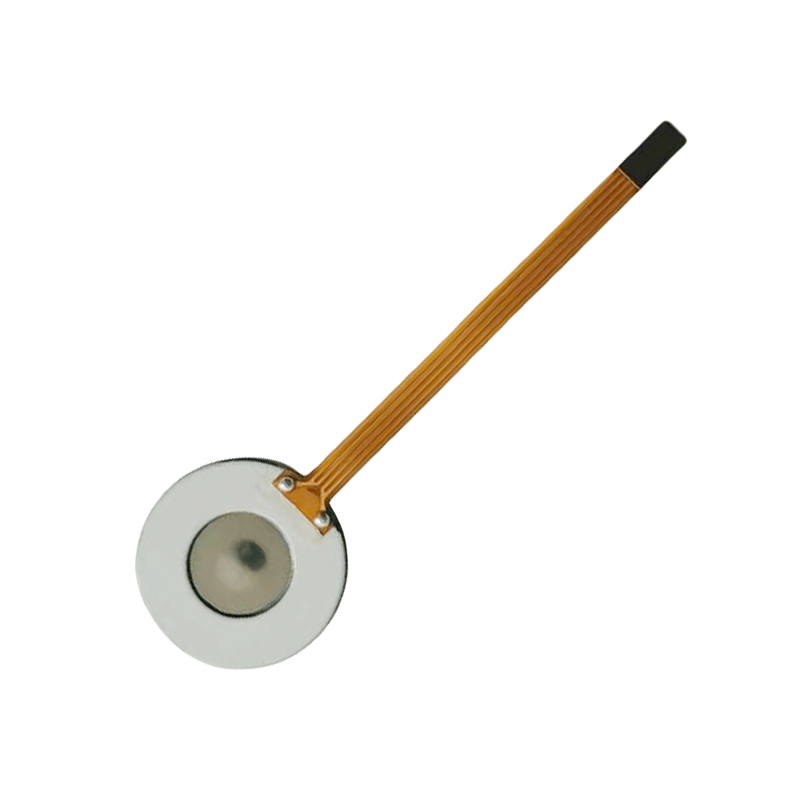
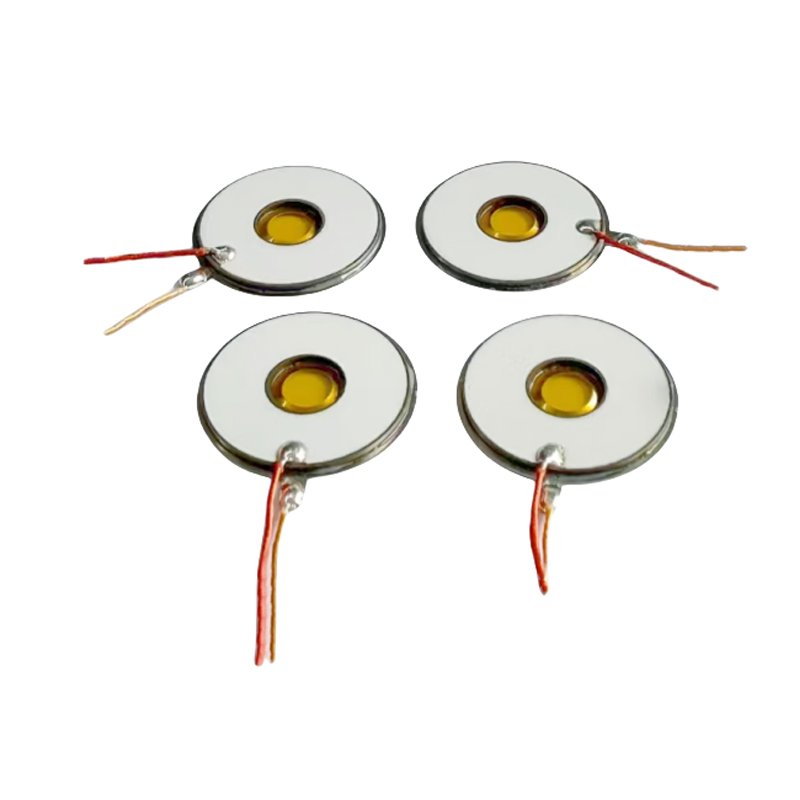
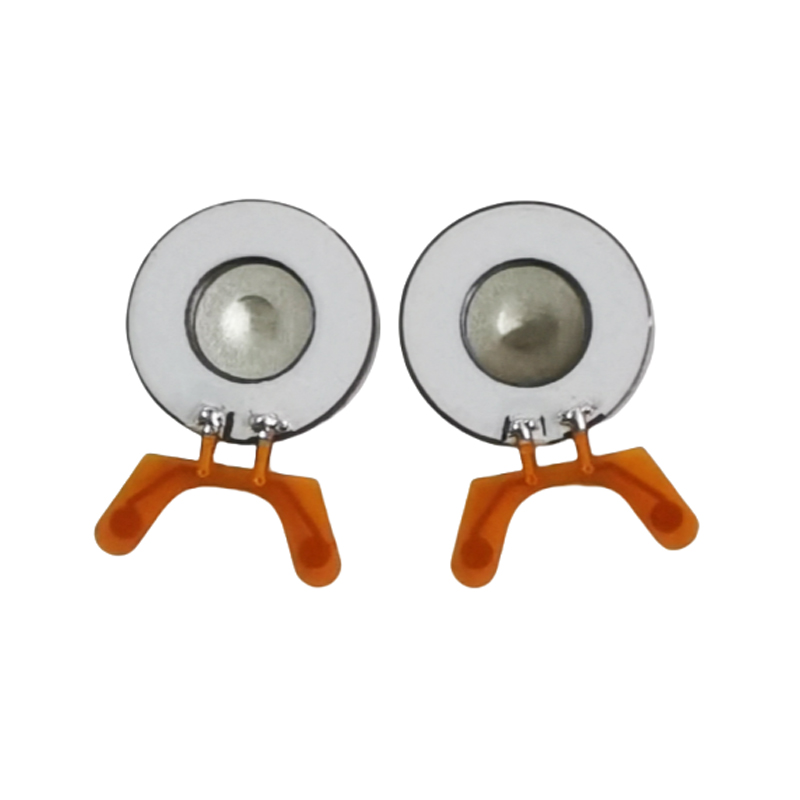
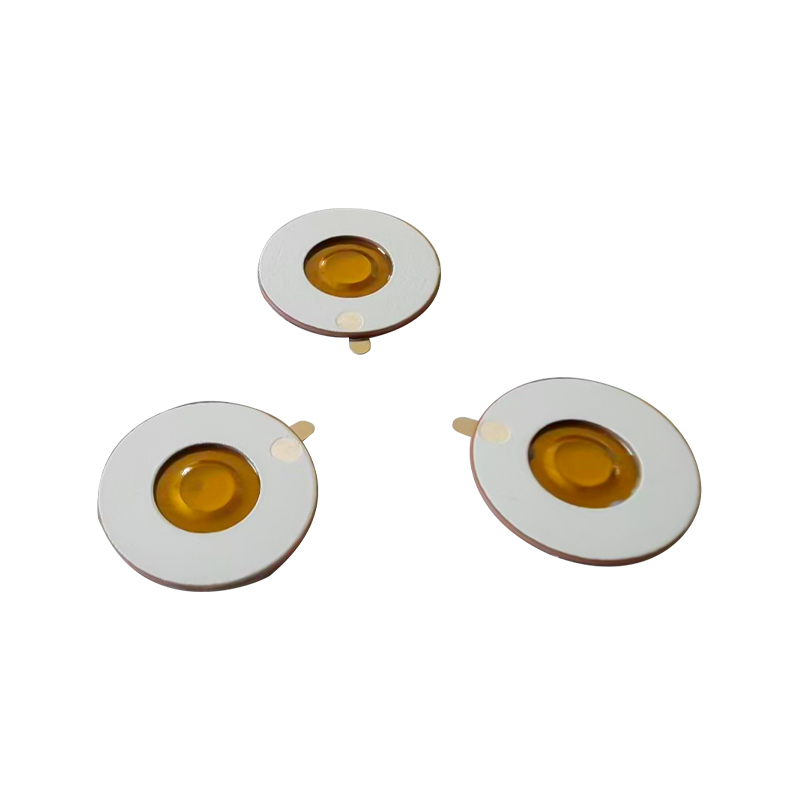
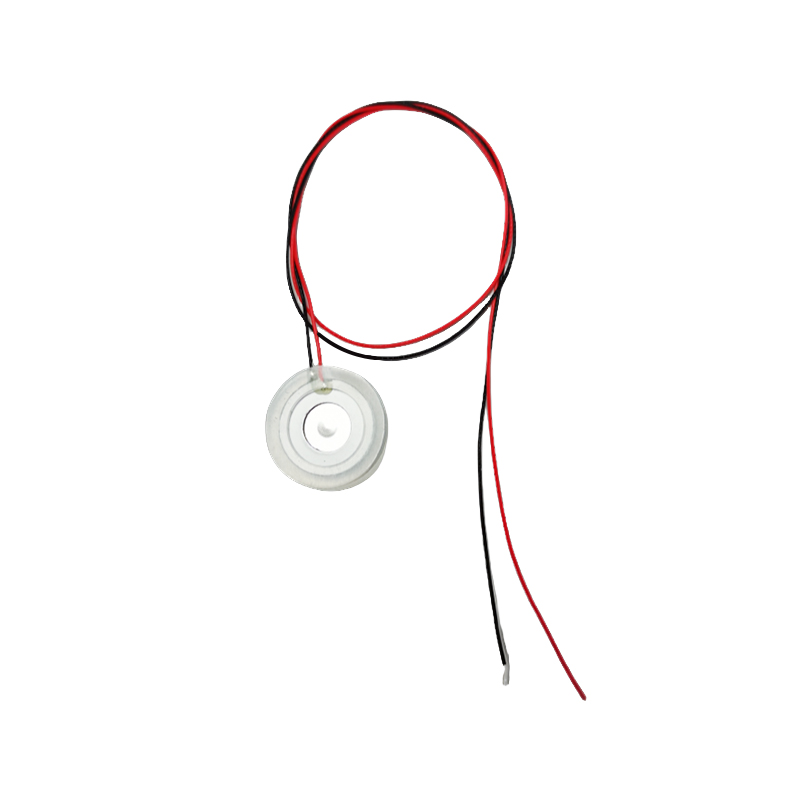
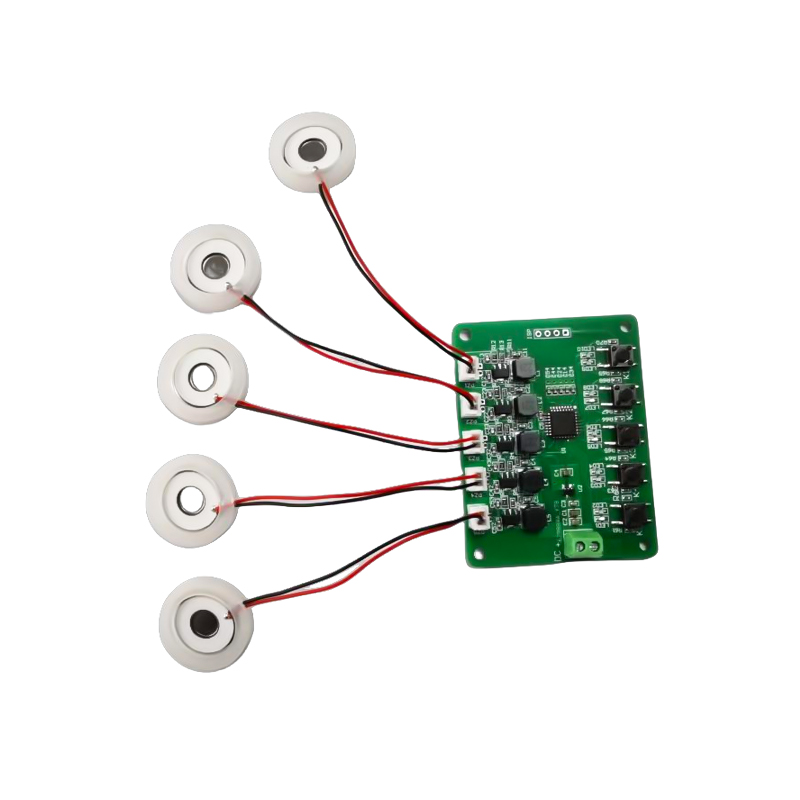
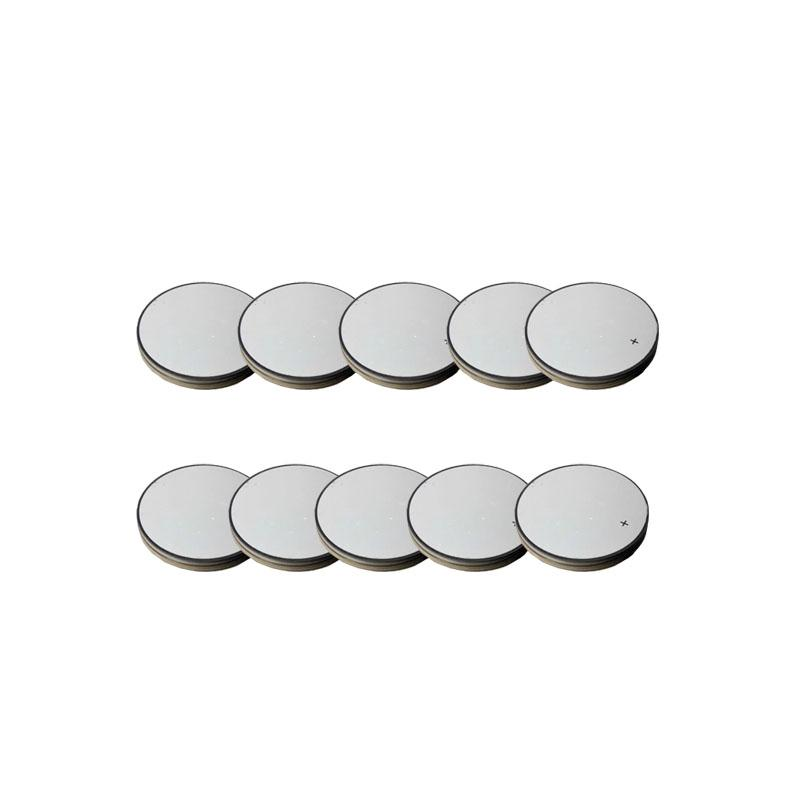
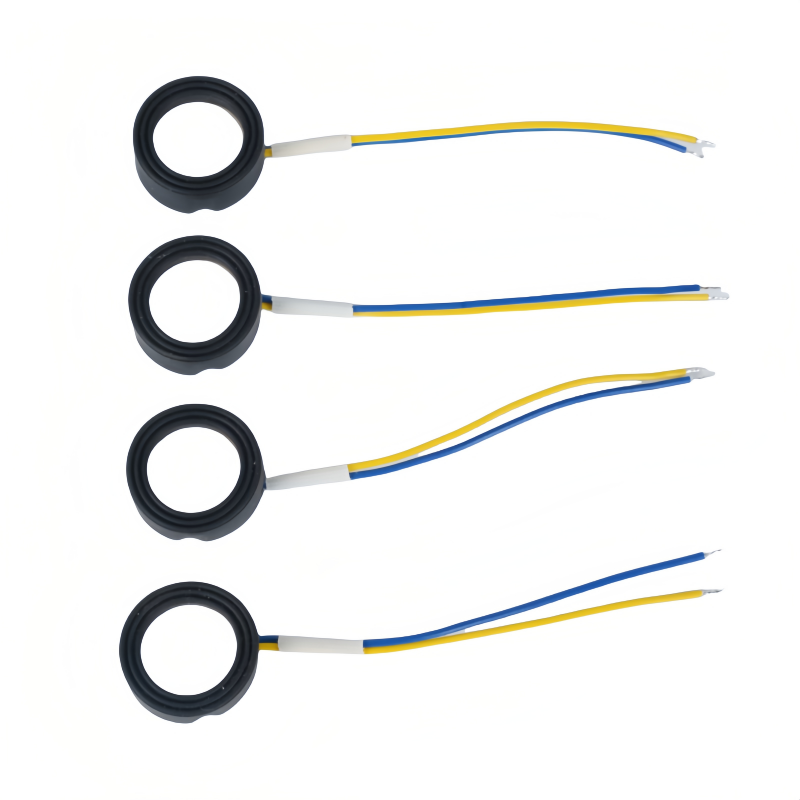
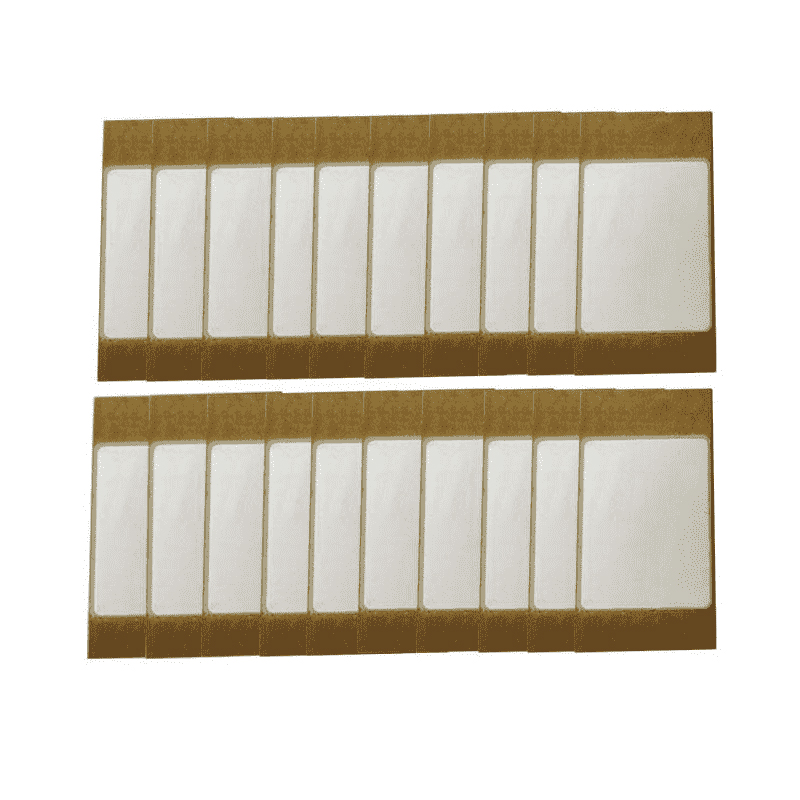
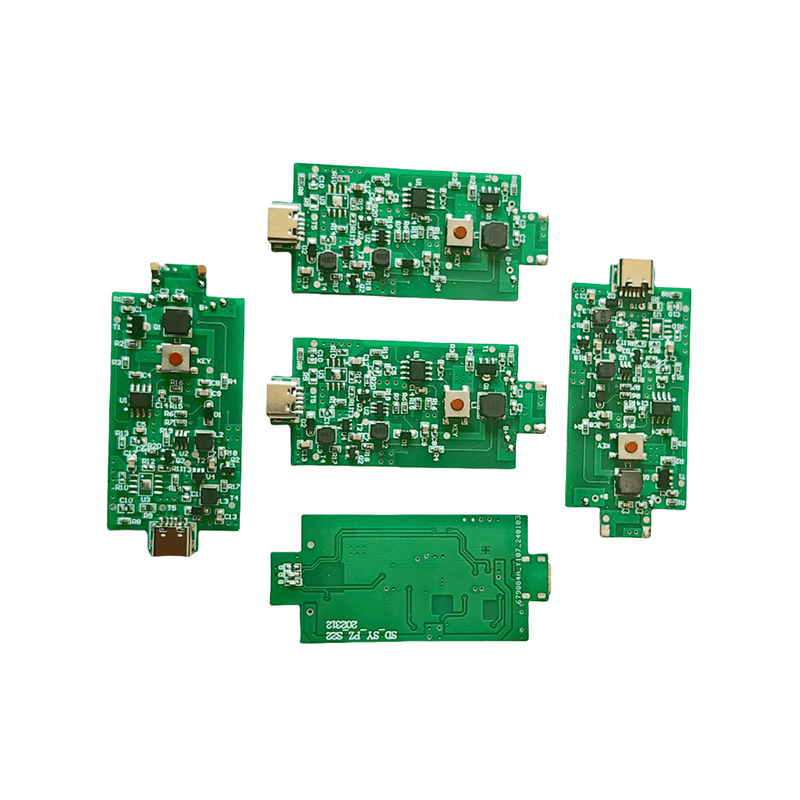
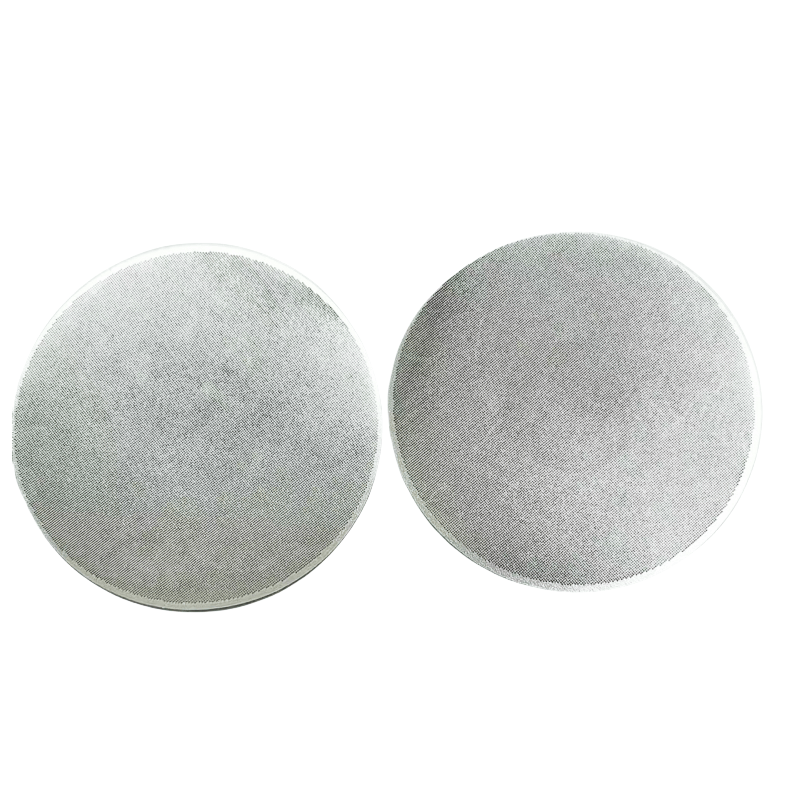
Cakram Atomizer Piezo Ultrasonik Frekuensi Tinggi Produsen

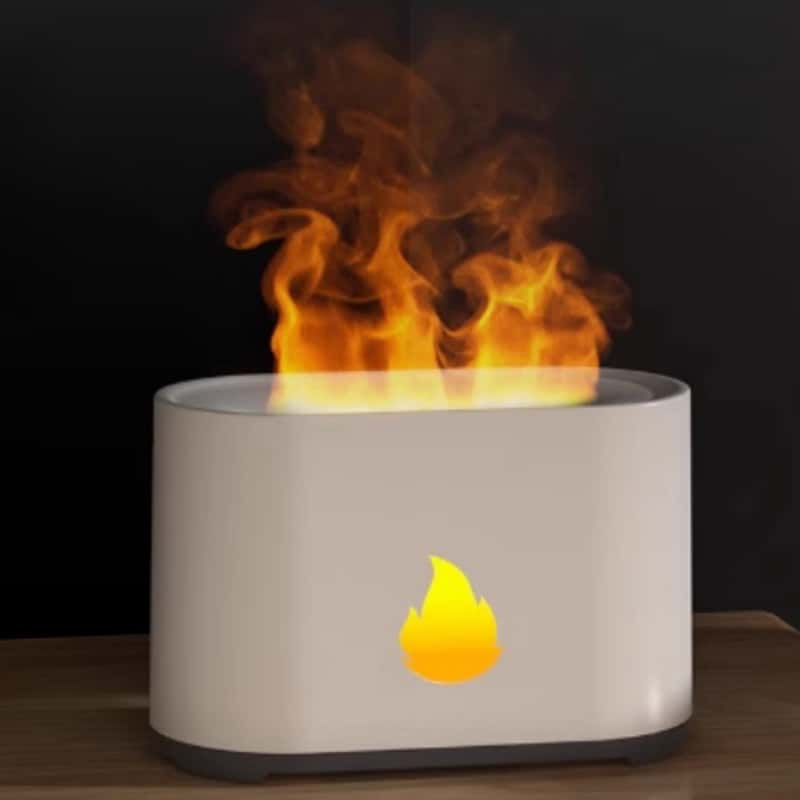
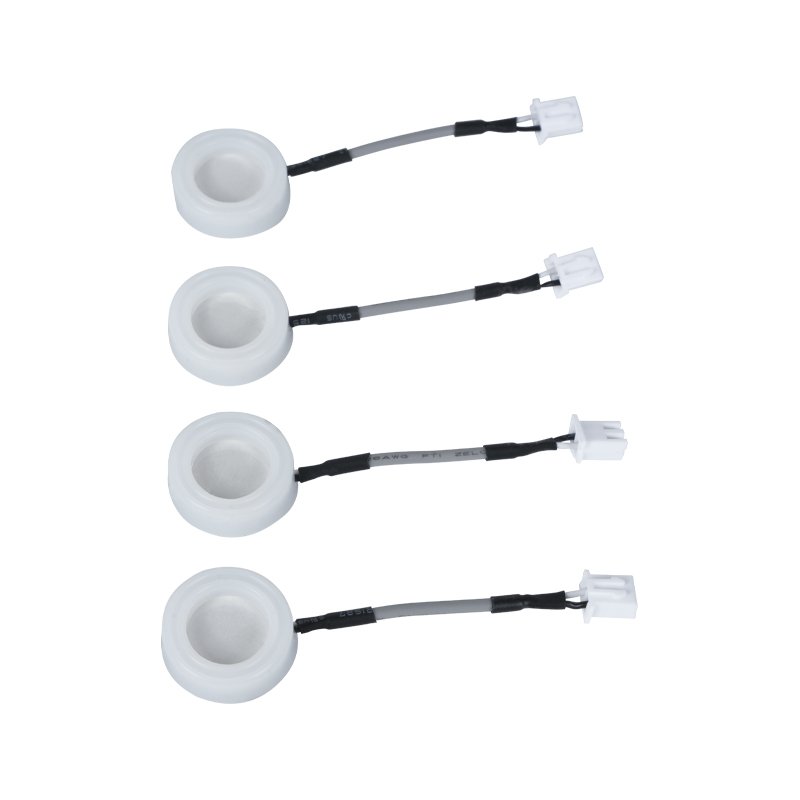

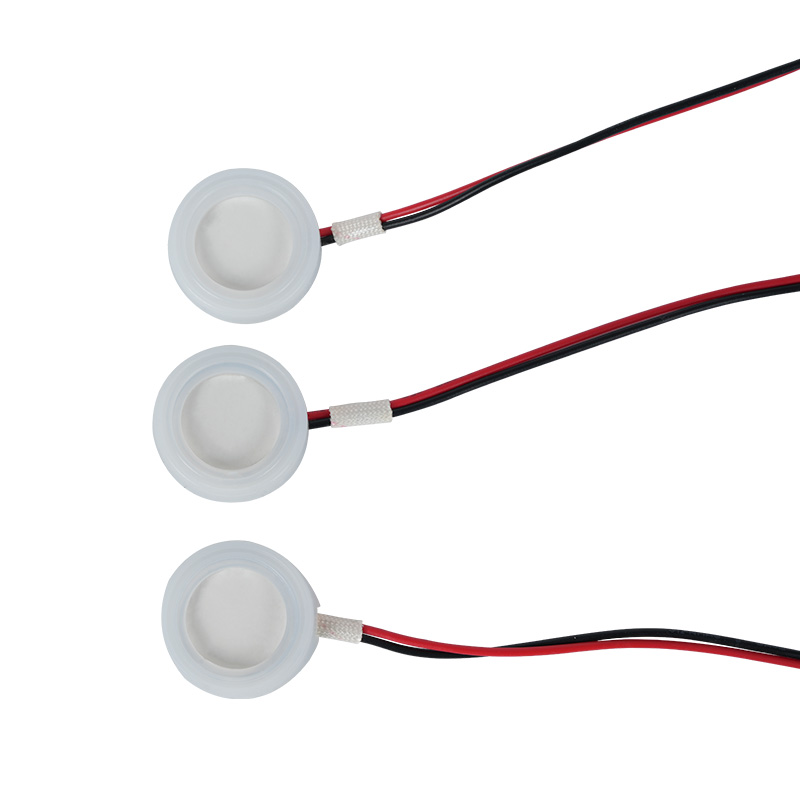
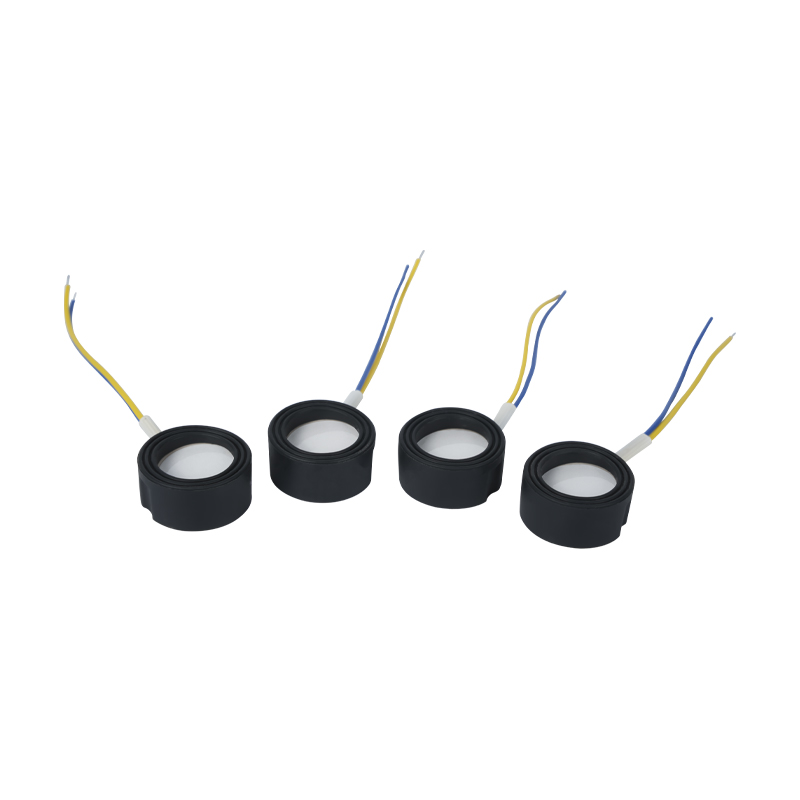
Alat penyemprot ultrasonik adalah perangkat yang menggunakan prinsip getaran ultrasonik (konversi energi) untuk mengubah cairan menjadi tetesan kecil. Prinsip kerjanya adalah sifat piezoelektrik keramik piezoelektrik yang unik dari keputusan tersebut, potongan atomisasi dalam penerimaan eksitasi sinyal medan listrik yang cocok, akan menghasilkan frekuensi osilasi yang sesuai, melalui peran getaran frekuensi tinggi dari kavitasi cair yang dibuang dari permukaan air untuk menghasilkan semacam partikel kabut air, diatomisasi dengan sejumlah besar ion negatif dan partikel kecil molekul, dapat mencapai peningkatan kelembaban lingkungan, peran udara segar.
Permukaan alat penyemprot dilapisi dengan enamel vitreous pada suhu tinggi 800 derajat untuk melindungi elektroda perak pada lembaran piezoelektrik, meningkatkan ketahanan asam dan alkali serta ketahanan oksidasi alat penyemprot, dan meningkatkan masa pakai alat penyemprot. Banyak digunakan dalam pelembap dalam ruangan, pembersih udara, perawatan nebulizer medis, dan mobil kecantikan, e dan bidang lainnya, tetapi juga cocok untuk gudang, pabrik, pelembapan, desinfeksi, untuk menciptakan suasana peralatan pelembapan. Tablet fogging terutama digunakan dalam pelembapan industri, fogging medis, fogging aromaterapi, pelembapan lingkungan, fogging taman dan pemandangan lainnya.
Saida Piezoelectric adalah perusahaan berbasis teknologi yang diakui secara global, mengkhususkan diri dalam produksi dan manufaktur produk terkait atomisasi medis, kami adalah China Cakram Atomizer Piezo Ultrasonik Frekuensi Tinggi Produsen dan Kustom Cakram Atomizer Piezo Ultrasonik Frekuensi Tinggi Perusahaan, Kami telah berkomitmen pada inovasi, penelitian dan pengembangan, serta promosi piezoelektrik keramik ultrasonik, produk atomisasi bebas timbal, komponen elektronik, dan solusi desain PCBA terkait. Tujuan kami adalah meningkatkan kualitas hidup masyarakat melalui teknologi, dan mewujudkan masa depan yang lebih efisien, hijau, dan berkelanjutan bagi masyarakat.
Sejak didirikan pada April 2011, perusahaan telah berada di garis depan pengembangan teknologi, dengan tim penelitian dan pengembangan yang luar biasa, peralatan produksi dan manufaktur canggih, serta peralatan pengujian presisi. Kami mencakup berbagai produk atomisasi ultrasonik di bidang profesional kami, termasuk tablet atomisasi inhalasi medis berbasis timbal dan bebas timbal, tablet atomisasi humidifier, tablet atomisasi minyak esensial, tablet atomisasi industri, serta produk sensing terkait piezoelektrik ultrasonik dan solusi penggerak PCBA. Kami tidak hanya fokus pada penelitian dan pengembangan teknologi mendalam, tetapi juga secara aktif menerapkan pencapaian teknologi ke dalam kehidupan nyata, sehingga produk teknologi benar-benar dapat melayani dan bermanfaat bagi masyarakat, menjadikan dunia lebih menarik dan indah.
Sertifikasi

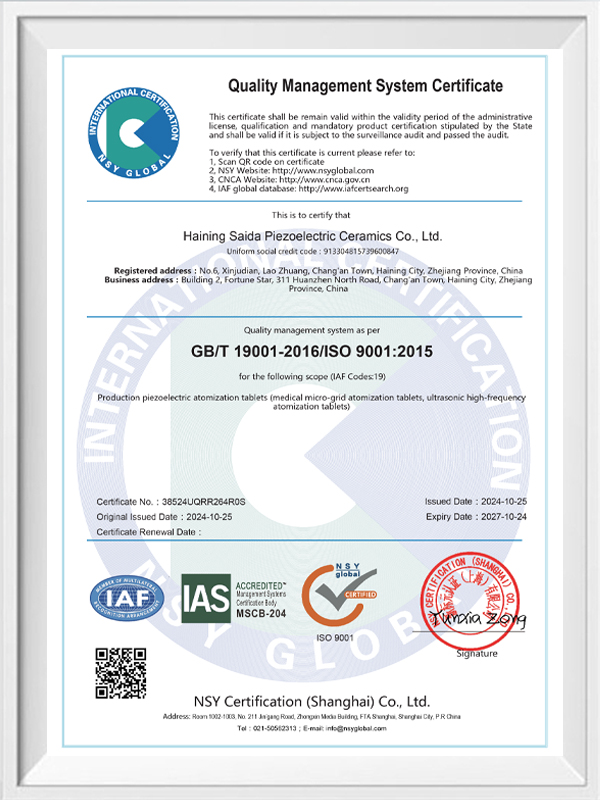
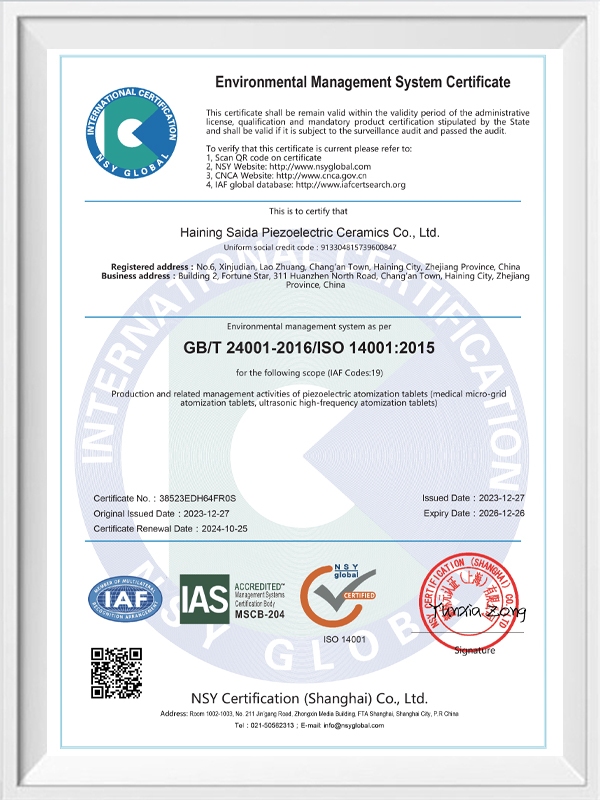
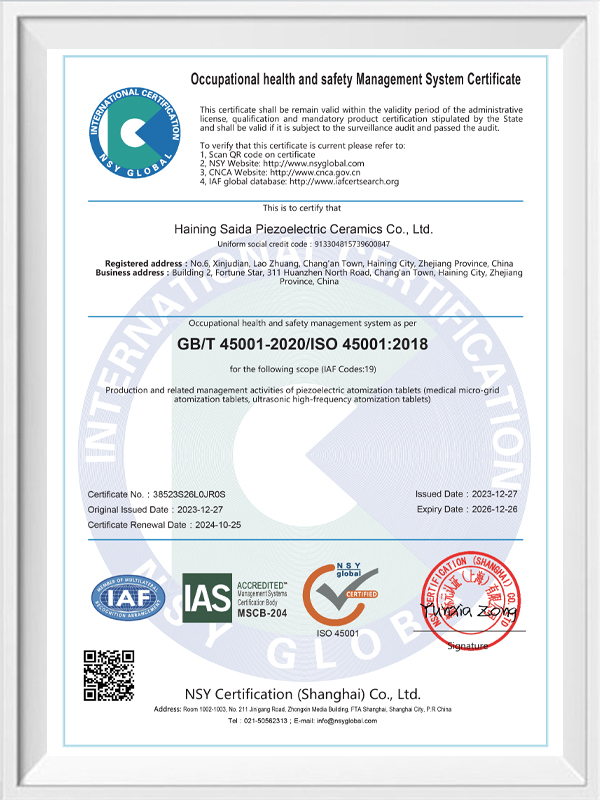
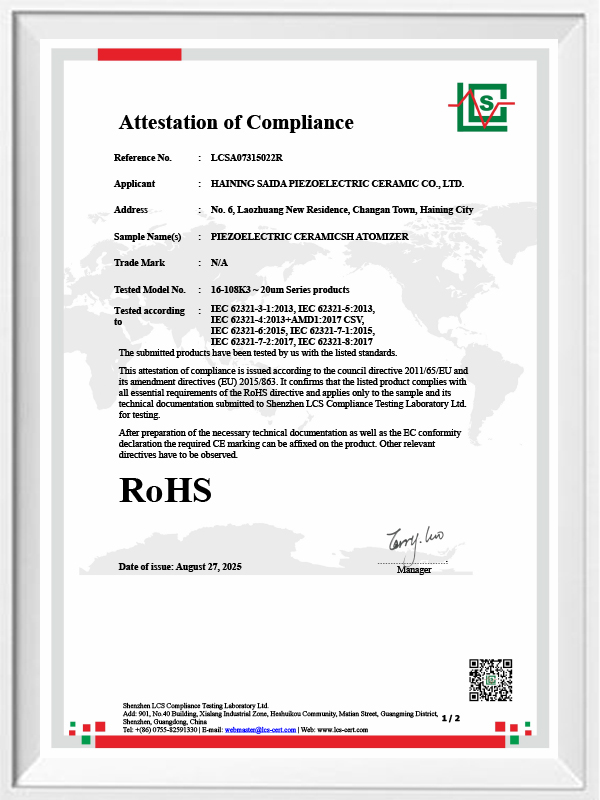
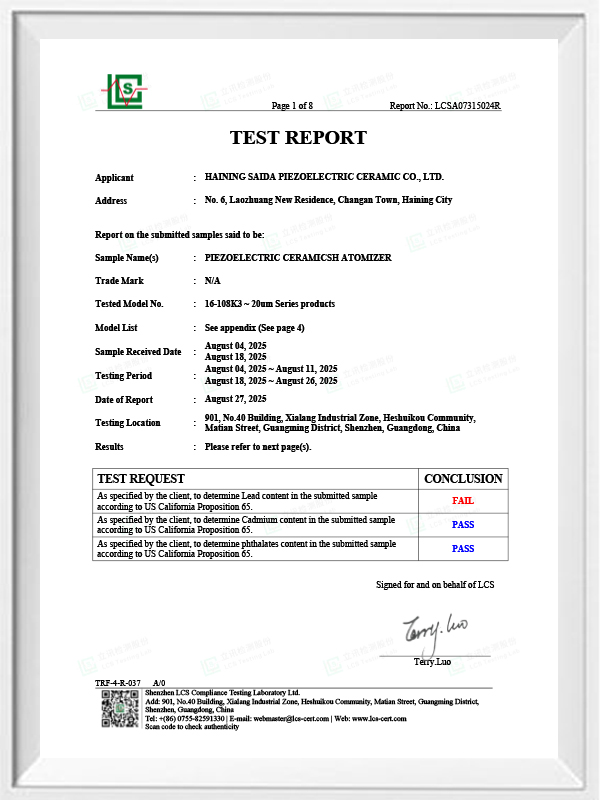
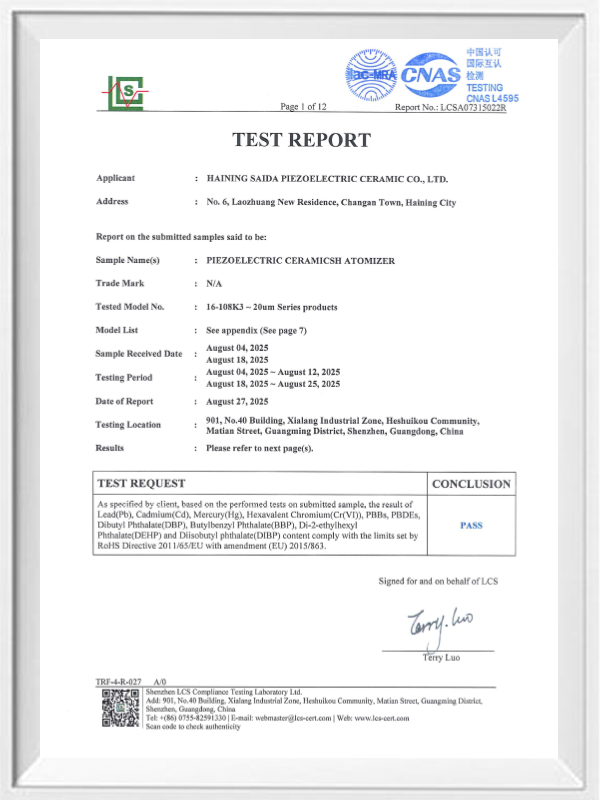
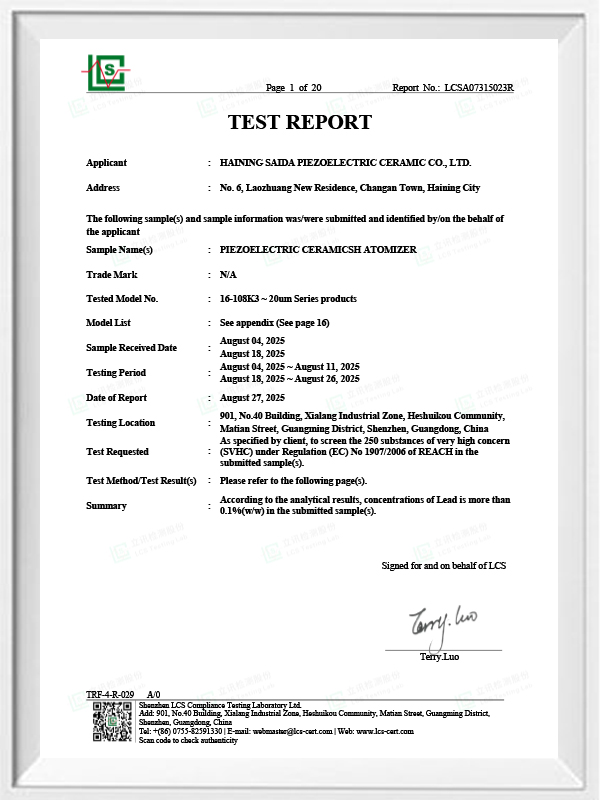
Produk seri atomisasi piezoelektrik inhalasi medis perusahaan kami semuanya telah lulus sertifikasi yang diperlukan untuk standar ekspor. Sertifikasi tersebut meliputi sertifikasi ROHS, sertifikasi sistem mutu ISO9001, sertifikasi sistem kesehatan GB/T45001-2020/ISO 45001:2018, GB/T28001-2001 idt OHSAS18001:1999 Sertifikasi Kesehatan dan Keselamatan Kerja, sertifikasi sistem lingkungan GB/T24001-2016/ISO 14001:2015, California Proposition 65, REACH, dan produk atomisasi medis juga telah disertifikasi oleh FDA AS.
berita
-
Berita industri
Mengapa Desain PCB Tingkat Medis Mendefinisikan Kinerja Al...
Mengapa Desain PCB Mendefinisikan Kinerja Atomisasi pada Peralatan Medis Dalam alat penyemprot piezo, jaring atau cakram yang bergetar mendapat perhatian. PCB sering diperlakukan sebagai komponen pendukung. A...
-
Berita industri
Apa yang Membuat Microvias Laser Presisi Menentukan Kinerj...
Dimana Akurasi Lubang Mikro Menentukan Kualitas Kabut Alat penyemprot piezoelektrik mengubah energi listrik menjadi semprotan halus dengan menggetarkan jaring logam tipis pada frekuensi tinggi. Karakter kabut...
-
Berita industri
Cara Memilih Chip Nebulizer Mesh yang Tepat untuk Alat Kes...
Itu chip nebulizer jala lebih dari sekadar aksesori sederhana. Inti rekayasa inilah yang menentukan efisiensi aerosol, konsistensi pemberian obat, masa pakai perangkat, dan kepatuhan terhadap peraturan d...
Alat Penyemprot Piezo Frekuensi Tinggi Ultrasonik Perluasan Pengetahuan Industri
How to ensure the alignment and precise placement of FPC flexible circuit boards, piezoelectric ceramics and conductive films during the assembly of ultrasonic high-frequency piezoelectric atomizers disc?
The assembly of ultrasonic high-frequency piezoelectric atomizers is a complex and delicate process, in which the alignment and precise placement of FPC (flexible printed circuit board) flexible circuit boards, piezoelectric ceramics and conductive films are key steps to ensure the performance of atomizers. The precise assembly of these components not only affects the working efficiency of the atomizer, but is also directly related to its service life and reliability. The following will discuss in detail how to ensure the alignment and precise placement of these key components during the assembly process.
1. Understanding of component characteristics and functions
Before starting assembly, it is crucial to have a deep understanding of the characteristics and functions of each component.
FPC flexible circuit board: FPC flexible circuit board has the characteristics of light weight, thin thickness and bendability, and can provide complex circuit connections in a limited space. In the atomizer, FPC is responsible for transmitting electrical signals to piezoelectric ceramics and is a bridge for electrical signal transmission.
Piezoelectric ceramics: Piezoelectric ceramics are the core components of ultrasonic atomizers and have piezoelectric effect, that is, they can generate mechanical vibrations under the action of an external electric field. This vibration is the power source of the atomization process, and its frequency and amplitude directly affect the atomization effect.
Conductive film: Conductive film is a conductive film used to establish an electrical connection between FPC and piezoelectric ceramics. It must have good conductivity, adhesion and environmental resistance to ensure stable transmission of electrical signals.
2. The importance of precise alignment
During the assembly process, the alignment of FPC, piezoelectric ceramics and conductive film is crucial. Any slight deviation may lead to poor transmission of electrical signals, which in turn affects the performance of the atomizer. For example, if the alignment of FPC and piezoelectric ceramics is inaccurate, it may cause delay or loss of electrical signal transmission; if the conductive film is not placed correctly, it may cause poor electrical connection and even cause a short circuit.
3. Alignment and placement methods
In order to ensure the alignment and precise placement of FPC flexible circuit boards, piezoelectric ceramics and conductive films, the following measures can be taken:
Use precision positioning tools: During the assembly process, use precision positioning tools (such as positioning pins, positioning fixtures, etc.) to ensure the accurate alignment of each component. These tools can fix the position of the components to prevent them from moving during the assembly process.
Use visual assistance system: Use visual assistance systems such as microscopes or high-precision cameras to monitor the alignment of components in real time. This can not only improve the accuracy of assembly, but also detect and correct alignment deviations in a timely manner.
Optimize the assembly process: Develop a detailed assembly process and clarify the operating requirements and precautions for each step. Through process optimization, reduce alignment deviations caused by human factors and improve assembly efficiency and accuracy.
Train operators: Provide professional training for operators to familiarize them with the characteristics, assembly processes and operating requirements of components. Ensure the accuracy and stability of the assembly process by improving the skill level of operators.
4. Application and curing of conductive adhesive film
The application and curing of conductive adhesive film are also key links to ensure component alignment and precise placement.
Film selection: Select a suitable conductive adhesive film based on the working environment and performance requirements of the atomizer. Consider the conductivity, adhesion, temperature resistance, humidity resistance and other factors of the film to ensure that it can meet long-term use requirements.
Film cutting and placement: Use precision cutting tools to cut the conductive film into the required shape and size, and then accurately place it between the FPC and the piezoelectric ceramic. During the placement process, ensure that the film fits tightly to the surface of the component without bubbles or wrinkles.
Film curing: The conductive film needs to go through a curing process after placement to exert its conductive properties. According to the curing conditions of the film (such as temperature, time, etc.), a reasonable curing process is formulated. During the curing process, the temperature and time must be strictly controlled to ensure that the film can be fully cured and achieve optimal performance.
Jadilah yang Pertama Tahu
Untuk penawaran eksklusif dan penawaran terbaru, daftar dengan memasukkan alamat email Anda di bawah ini.
- Tautan Produk
- Alat Penyemprot Piezo Jaring Medis
- Alat Penyemprot Piezo Film Polimer PI
- Alat Penyemprot Piezo Mesh Bebas Timah KNN
- Chip Zeroing Mesh Bebas Timbal PI
- Alat Penyemprot Piezo Micro-mesh Untuk Pemanas
- Piezo Atomizer Untuk Kipas Angin/Humidifikasi/Kecantikan
- Transduser Atomisasi Ultrasonik
- Alat Penyemprot Piezo Frekuensi Tinggi Ultrasonik
- Pembangkit Listrik/Sensor Pemanas Alat Penyemprot Piezo
- Desain PCB Alat Penyemprot Piezo Medis
- Teknologi Pemrosesan Lubang Mikro Laser Presisi
- Kontak
-
Gedung 1, Fortune Star 2, No.311 Huanzhen North Road, Kota Chang'an, Kota Haining, Provinsi Zhejiang, Cina.

-
+86-18006619680

-
+86-13777879680

-
Felix@saidapiezo.com

riney@saidapiezo.com
yugao@saidapiezo.com
emily@saidapiezo.com
dean@saidapiezo.com -
Felix: +86 18157327658

John: +86 18957351358
Emily: +86 18957339358
Dean: +86 15356418868
- Seluler